
What Is Patina?
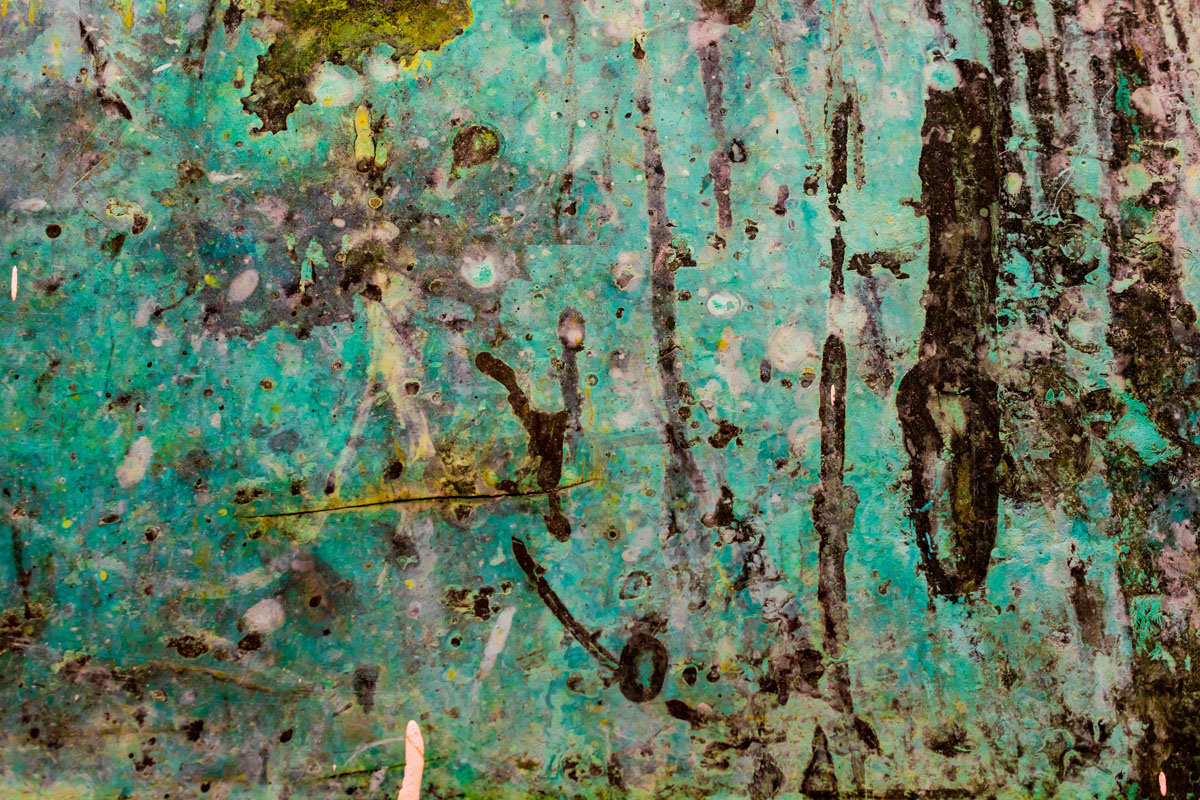
Patina on steel is a thin coating that is created on the inside and outside of steel because of exposure to their surroundings. It is an organic oxidation occurrence that happens when carbon steel has a reaction to oxygen and humidity in the atmosphere. The patina is usually a dark, protective coating that can vary in color from greens to teals.
The forming of a patina is a desirable attribute for many carbon steel aficionados, particularly within the backdrop of kitchen knives and particular tools. The patina serves as a protective layer, decreasing the rate of additional corrosion and helping to stop rust. It also adds a unique creative appeal, giving the material an aged or weathered appearance.
The formation of a patina is influenced by various aspects like humidity, acid exposure, and the presence of particular chemicals. Various environments and usage patterns can lead to distinct patina patterns, that makes each piece of metal unique.
It’s important to remember that whereas a patina can safeguard against rust, it does not make the steel totally impervious to corrosion. Adequate care and maintenance, like routine cleaning and drying, are still required to guarantee the lifespan and performance of steel items.
How Do I Test If It’s Rust or Patina?
A fast verification you can carry out is to simply wet your item with a little water and wipe it using a towel, when it’s rust it is going to be noticeable on the paper towel as an orange/ brown blemish. When it’s patina, it won’t come off.
What Are the Differences Between Rust and Patina?
Rust and patina are both surface formations that can happen on metals such as steel and iron; however, they vary in their arrangement, look, and creation process.
Rust:
Composition: Rust is mostly composed of iron oxide, created when iron has a reaction with oxygen and moisture in the presence of a liquid electrolyte. It is a type of corrosion unique to iron alloys and iron.
Appearance: Rust usually appears as a reddish-brown powder-like or flaky material on the surface of metals. It could be brittle and effortlessly crumbles off, revealing more metal to additional corrosion.
How it’s formed: Rust forms through an electro-chemical reaction known as oxidation, in which iron atoms have lost electrons and blend with oxygen atoms from the atmosphere or water. The process is accelerated in the presence of moisture and can happen somewhat quickly, particularly in damp or humid settings.
Patina:
Composition: Patina is a thin covering that is formed on the surfaces of metals because of natural oxidation or reactions to chemicals. It can comprise of differing compounds, like metal oxides, sulfates, carbonates, or sulfides, subject to the metal and the environmental aspects involved.
Appearance: Patina can show a range of textures and colors, subject to the metal and the particular compounds created. For instance, on copper, it usually appears as a bluish-green layering (called verdigris), when on brass or bronze, it can exhibit shades of green, brown, or even black. Patina has a tendency to be more lasting and sticks to the metal surfaces in comparison to rust.
How it’s formed: Patina is created over a prolonged period by natural oxidation or reactions to chemicals. It is usually a result when metal gets exposed to the environment, including moisture, air, chemicals, or other reactive materials. The creation of a patina is typically a slow and steady process, happening over months or possibly years.
In conclusion, rust is a particular kind of corrosion that impacts iron alloys and iron, appearing as reddish-brown chips. Patina, at the same time, is a surface layer created through oxidation or reactions to chemicals, exhibiting different colors and textures subject to the metal involved.
Whereas rust is commonly undesirable and is an indicator of degradation, patina can be valued for its protective attributes and aesthetic appearance.
CUSTOM ENTRY DOORS IN PHOENIX, ARIZONA
If you are in need of an entry door in your new home or just looking to update your door in Phoenix, Artistic Alloys is your go to source for custom entry doors. We can design the perfect entry door in terms of size, style, color, and function. Invest in your home and the value of your property with a custom entry door from Artistic Alloys & Design. Contact Artistic Alloys & Design today to discuss your custom entry door at (480) 941-2611.