Custom metal fabrication is the process of making parts to meet the needs of different customers. Custom metal fabricators collaborate with clients to make one-of-a-kind metal designs come to life, from HVAC systems to art installations. You can better appreciate the value and versatility of bespoke manufacturing if you know what the most important parts are. Instead of making a lot of the same thing, bespoke metal fabrication makes metal parts and products to match a customer’s exact needs. Metal fabricators use CAD data, drawings, or descriptions from clients to cut, shape, weld, and finish raw metal into specialized parts like brackets, frames, fittings, enclosures, and more. To make pieces that fit the design, the technique needs to be very precise. Read on to learn more.
The Process of Custom Metal Fabrication
Even though every custom metal project is different, there are several things that all fabrication jobs have in common. These are:
- Design and engineering: Fabricators help clients turn specifications into precise blueprints.
- Choosing the right metal alloy and thickness for strength, resistance to corrosion, and other factors.
- Cutting and machining: Lasers and waterjets are examples of computerized cutting equipment that cut sheet metal into exact shapes.
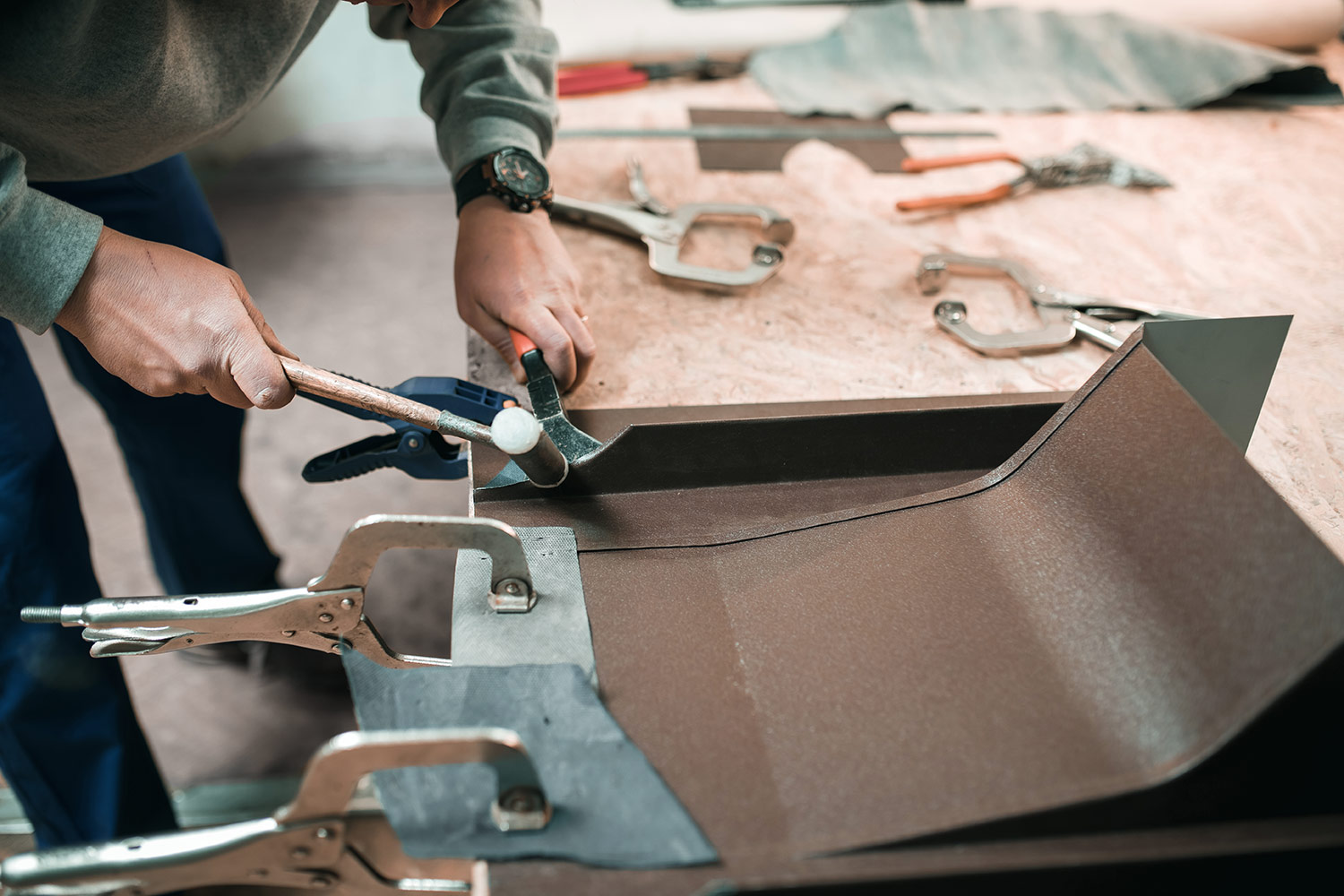
- Bending and forming: The cut metal is bent and shaped into the right shapes using presses and brake machines.
- Welding and joining: MIG, TIG, spot, and arc welding are some of the ways that metals are fused together.
- Finishing: To get the look you want, you can deburr, grind, polish, or coat the metal.
- Inspection: Strict examinations make sure that the items that were made fit quality standards and specifications.
Advantages of Custom Metal Fabrication
Now that we’ve talked about what custom fabrication is, let’s look at some of its best features:
Custom Solutions
Businesses may get exactly what they need with custom metal fabrication. Custom fabrication makes sure that the final product fits exactly into the intended use, whether it’s making unique parts or complicated structures.
Flexibility in Design
Custom metal fabrication gives firms the freedom to build things that may not be achievable with ready-made items. Manufacturers can work closely with customers to make metal items that are new and unique by using their ideas.
Good Craftsmanship
Skilled craftsmen who have worked with many different types of metals do custom metal fabrication. This makes sure that the work is done well, with precision and attention to detail, which results in metal products that are strong and reliable and meet industry standards and rules.
Cost Effectiveness
The initial costs of custom metal fabrication may be greater than buying mass-produced things, but over time it is often cheaper. Custom fabrication cuts down on waste because materials are made to fit the needs of each project, which lowers prices overall. Custom solutions can also make things more efficient, which can save money over time.
Fast Turnaround
Custom metal fabrication firms usually contain advanced machines and skilled workers, which makes production go more smoothly. This means that the time it takes to get things is shorter than if you had to wait for mass-produced items to be transported. Businesses who have tight project deadlines or urgent needs for specific parts really value quick turnaround times.
Flexibility
You may use custom metal fabrication on a lot of different metals, such steel, aluminum, stainless steel, and more. Because of this flexibility, firms can pick the best material for their needs based on its strength, resistance to corrosion, and weight. Custom fabrication makes sure that the chosen material is formed and processed in a way that meets the needs of the project.
Uses for Custom Metal Fabrication
Custom metal fabrication is used in numerous fields, from medical to infrastructure. The flexible procedure makes it possible to create personalized solutions for various fields.
HVAC
HVAC systems require a lot of unique metal work, from ducts to vents to chimneys. Fabricators make sheet metal parts that improve ventilation, temperature management, and energy economy.
Pipefitting and plumbing
Custom metal fabricators are very important for plumbing and pipefitting projects because they make utility pipes, process and power piping, elbows, fixtures, and hangers out of materials like copper and stainless steel.
Platforms
Metal-fabricated platforms and catwalks make safe paths for workers in factories and other industrial environments by using materials that are strong but light.
Conveyors
Custom conveyor systems help with managing inventory and moving materials. They are made of metal parts such frames, guards, supports, and control panels. You can make special conveyors for certain uses, such pneumatic, inclined, and portable ones.
Tanks
Fabricators make storage and process tanks that are good for businesses like food and drink and medicines. They do this by maximizing storage space and cleanliness.
Metals for Decoration
Specialized methods of making metal parts bring complicated decorative metalwork to reality. Skilled craftsmanship turns raw materials into beautiful works of art.
Fences and Gates
Metal fabricators turn raw materials into strong, stylish gates and fences for homes and outdoor events.
Fountains
Careful bespoke metal manufacturing procedures bring to life complicated fountain designs that include water effects, lighting, and sculptures.
Art
Sculptors work with fabricators to make unique metal art installations out of rods made of copper, steel, and stainless steel. Fabrication helps make works that are both active and beautiful.
The Process of Custom Metal Fabrication
Design, vision, and finishing are all parts of custom metal fabrication that turn raw metal into completed goods. For good results, each step must be done correctly.
Design for Custom Fabrication
During the design phase, the fabricator and the customer work together to improve the idea. You can utilize engineering principles like strength analysis to guess how something will work. The outcome is a detailed design that can be made.
The Custom Fabrication
The fabrication step changes the shape of sheet metal into what is needed. Laser, plasma, and waterjet cutting, bending, machining, and welding are some of the most important ways to turn flat materials into exact 3D shapes.
Custom Assembly, Fabrication, and Finishing
Parts are put together into finished products during assembly by welding, riveting, and other methods. Finishing steps including deburring, smoothing, and powder coating clean up and protect the products that were made.
How to Pick a Trustworthy Custom Metal Fabrication Service
- It is very important to choose a good custom metal fabricator. Some important traits are:
- Experience with different metals and making things out of them, such as welding and machining
- A variety of manufacturing tools, such as automated CNC machines, enable fast and accurate work
- Design and engineering skills to make things that work and can be made.
- Quality control to make sure that output is always the same and free of defects, and that everything is clear
- Good communication and customer service to help in understanding specs
GET IN TOUCH WITH AN ARTISTIC ALLOYS EXPERT TODAY!
As one of the leaders in the custom metal fabricating industry, our experience paired your design ideas will ensure a finished product better than you had hoped for. We only use the highest quality metals in our projects, such as iron, steel, aluminum, brass, copper and zinc. Start your metal fabrication project by simply giving us a call today at 480-941-2611.